
Is Rwanda Redefining Africa’s Energy Future Through Renewable Energy?
On the occasion of the Africa Energy Expo in Kigali, Rwanda reaffirmed its ambitious energy transition strategy built on renewable sources. This article analyzes the key drivers of this transformation—hydropower, diversification of the energy mix, integration into the continental electricity market, carbon market mechanisms, and green hydrogen—and highlights the role of the regulatory framework in attracting sustainable investments across Africa.
ENERGY
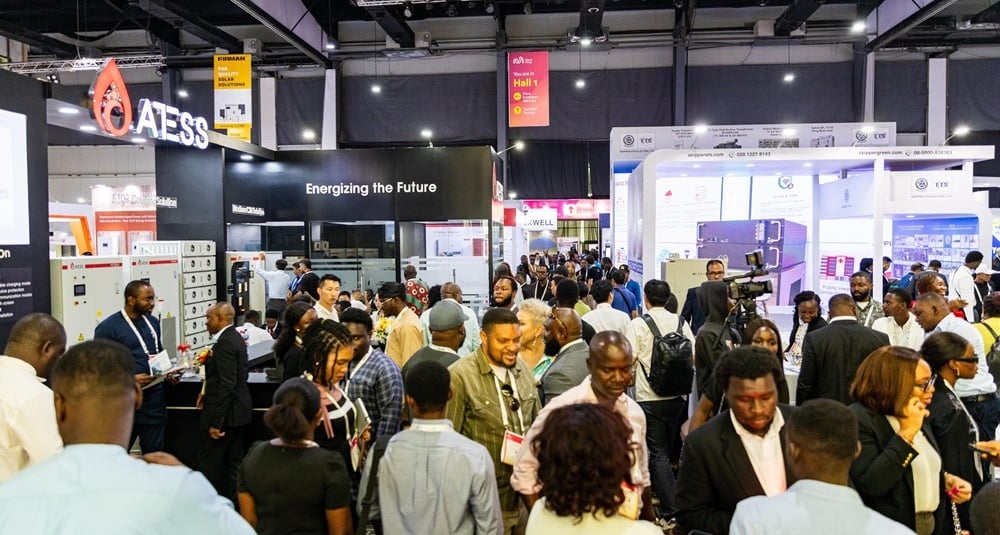

Between hydropower, regional integration, and green financing, Kigali is charting a credible path toward universal electrification and carbon neutrality.
On the occasion of the Africa Energy Expo, held at the Kigali Convention Centre, Rwanda reaffirmed its ambition to position itself as one of Africa’s most advanced laboratories for energy transition and universal electrification.
The “Land of a Thousand Hills” is pursuing a clear trajectory: expanding access to sustainable, reliable, and affordable energy, while aligning its energy strategy with international climate commitments.
Hydropower at the Core of Rwanda’s Energy Strategy
Among the country’s flagship projects, the Nyabarongo Hydropower Plant occupies a central role.
With an installed capacity of 28 MW, it contributes significantly to national electricity supply, with a particularly strong impact on rural electrification.
Through an effective combination of on-grid and off-grid solutions, nearly 80% of Rwandan households are now connected to electricity. This achievement places Rwanda among Africa’s leading countries in terms of energy access.
Toward a Diversified, Low-Carbon Energy Mix
Beyond hydropower, Rwandan authorities aim to strengthen the integration of complementary renewable energies—particularly solar and wind—in order to enhance system resilience and progress toward carbon neutrality.
This gradual approach helps secure electricity generation while reducing reliance on imported fossil fuels.
Regional Integration and the Continental Electricity Market
Discussions also highlighted the strategic importance of the African Single Electricity Market, an ambitious initiative designed to interconnect electricity grids at a continental scale.
Rwanda actively supports this project, calling for a harmonized regulatory framework capable of attracting private investment into electricity generation, transmission, and distribution infrastructure, while remaining aligned with climate objectives.
Carbon Markets and Green Hydrogen: New Financing Levers
Finally, exchanges underscored the growing role of carbon market mechanisms and the development of green hydrogen as tools for sustainable financing.
These instruments could enable Rwanda—and Africa more broadly—to attract international capital flows while accelerating the transition toward a low-carbon economy.
A Credible African Path Toward Green Energy
Ultimately, the Rwandan example demonstrates that with a clear strategic vision, coherent governance, and an attractive regulatory framework, African countries can not only meet their energy needs but also emerge as credible actors in the global energy transition.
Personal note: This visit to Kigali also provided an opportunity to reconnect, in a professional setting, with Christie Keith Mbengue Moukouri and Me Adonise Abomo, colleagues deeply engaged in the legal and strategic challenges of the energy sector.